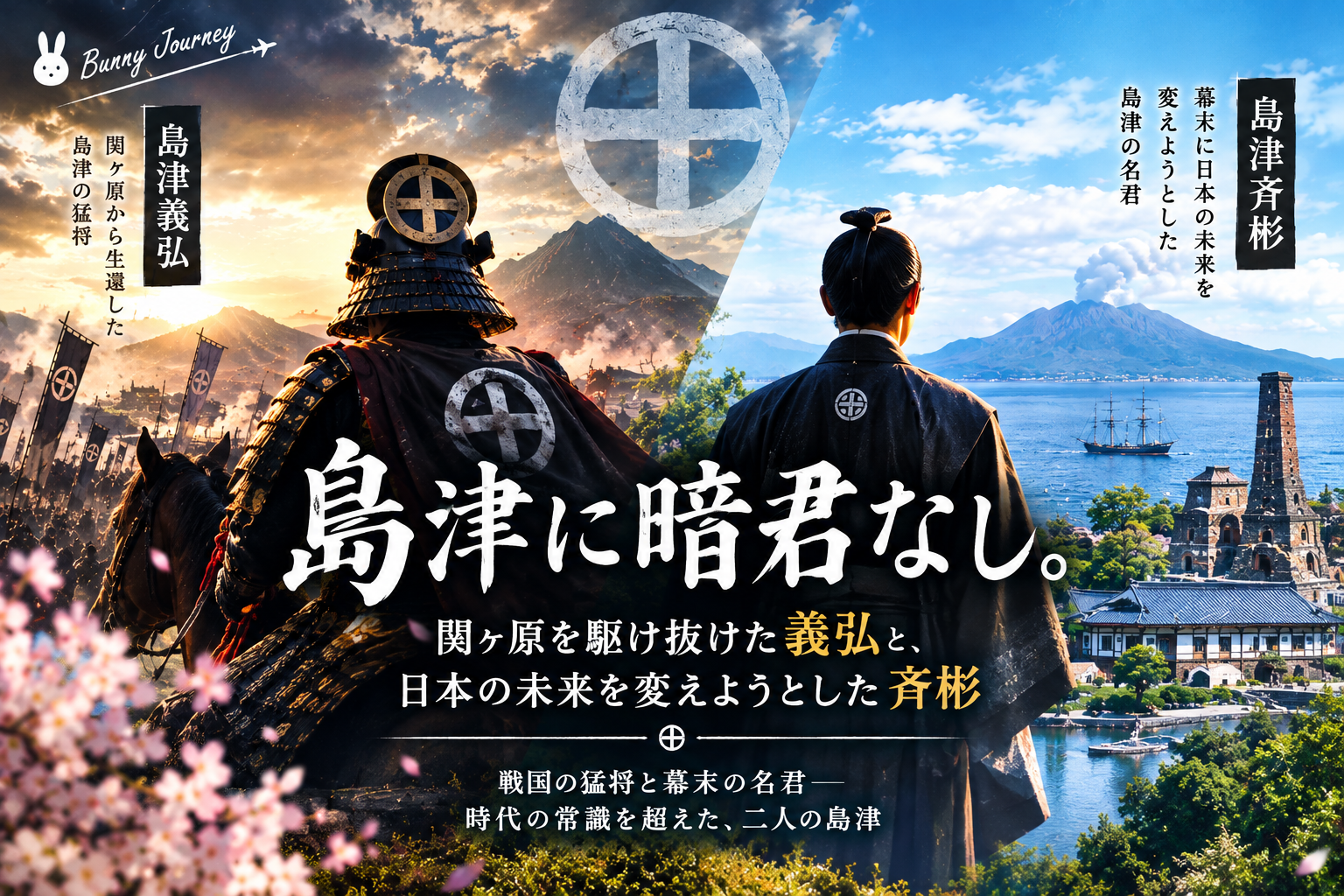
Born at Izaku Castle, He Cut Through the Enemy at Sekigahara
人物史
In 1535, Shimazu Yoshihiro was born at Izaku Castle, the second son of Takahisa, the 15th head of the Shimazu clan. The birth stones still standing in the main enclosure, Kamemaru Castle, mark the births not only of Yoshihiro but of all four Shimazu brothers — Yoshihisa, Yoshihiro, Toshihisa, and Iehisa. It was this band of four brothers, working together, who carried the clan through the wars that unified Kyushu under Shimazu rule, laying the foundation for everything that followed. Yoshihiro is best remembered for the Battle of Sekigahara in 1600. It was Yoshihiro, not his elder brother and clan head Yoshihisa, who committed Shimazu troops to the fight. Fighting for the western army, he found coordination with his allies breaking down, and the Shimazu force saw almost no real combat before the battle tipped decisively toward the eastern army. What followed became known as the "Shimazu Withdrawal." For a force stranded on a collapsing battlefield, the obvious move was to retreat away from the enemy. Yoshihiro instead chose an unheard-of route: a direct breakthrough straight toward Tokugawa Ieyasu's own command post, cutting through the heart of the enemy lines. Accounts of troop numbers vary — figures for the force at the start of the retreat range from roughly 1,000 to 1,500, with some records putting the survivors at around 80 — and no single figure can be treated as confirmed. What every account agrees on is the sheer strangeness of the decision itself: advancing, not retreating, in the face of overwhelming odds. During that withdrawal, Yoshihiro's nephew Shimazu Toyohisa and his retainer Choju-in Morizumi, among others, held their ground against the pursuing enemy and were killed. This tactic — small groups staying behind to die so their lord could escape — became known as "sutegamari." It was on the sacrifice of many retainers that Yoshihiro finally made it back to Satsuma. Having backed the losing side at Sekigahara, the Shimazu clan stood in a position that could easily have ended in the confiscation of its domain. Instead, it survived. The fact that clan head Yoshihisa himself had not personally joined the fighting, Satsuma's remoteness from Kyoto and Edo, and persistent postwar negotiation are all cited as factors. That the clan came out of a defeat with its lands intact says something too — not just about one man's battlefield courage, but about the Shimazu clan's judgment as a whole.
Characters
Shimazu Yoshihiro
ViewSpots
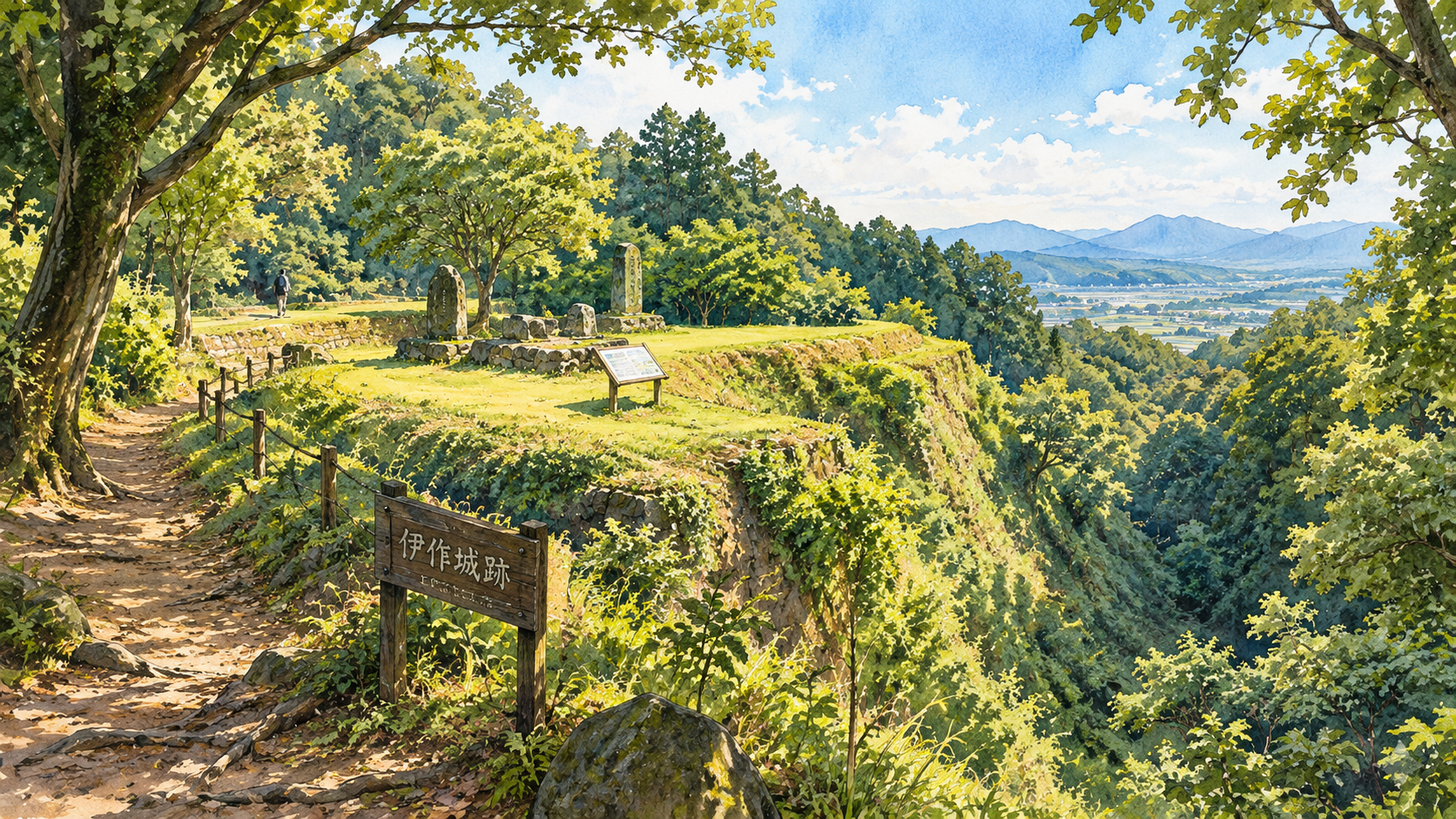
Izaku Castle Ruins
ViewJourneys